
International Business Law was once viewed mainly as a subject for lawyers, multinational corporations, and trade specialists. Today, that view is becoming too narrow.
Artificial intelligence, digital platforms, online commerce, global supply chains, and cross-border collaboration have changed the way professionals work. An educator may publish course materials online, an engineer may use digital designs from another jurisdiction, a marketer may create AI-assisted campaigns, and an entrepreneur may sell products internationally without ever leaving home.
AI Has Changed How Information Is Created
Generative AI has made it easier to produce reports, images, software code, marketing copy, teaching resources, business plans, and research summaries. However, the ease of production does not remove legal responsibility.
Professionals must still consider who owns the material, whether protected content has been used, whether permission is required, and whether the output can be safely published, adapted, or commercialised.
Information Is Easy to Create — Using It Legally Is Harder
Information literacy once focused mainly on finding reliable information. Today, professionals must go further. They must also understand whether information, images, text, software, or creative works may be lawfully used.
This includes awareness of copyright, licensing, Creative Commons, attribution, fair use, fair dealing, and jurisdictional differences. Material found online is not automatically free to use, even when it appears publicly available.
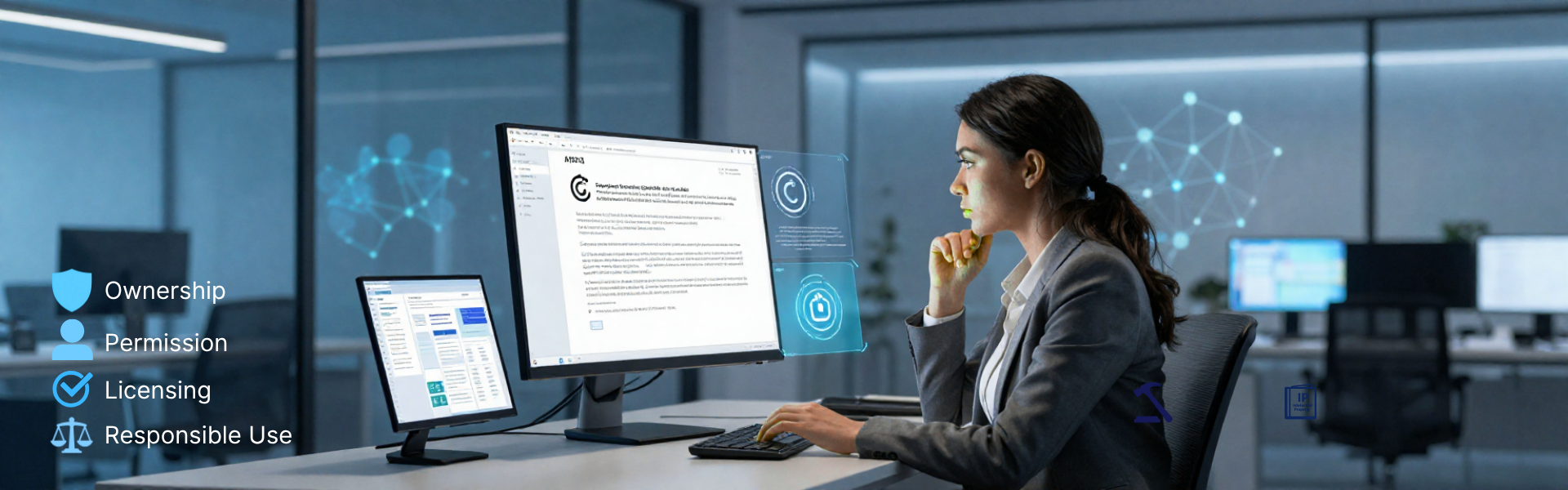
Figure 1. AI has made content easier to create, but professionals must still consider ownership, permission, licensing, and responsible use.
Intellectual Property Matters to Every Professional
Intellectual property law protects creativity, innovation, brands, designs, inventions, and commercial identity. In an AI-enabled economy, professionals from many disciplines may encounter intellectual property questions in everyday work.
A teacher preparing digital learning materials, a software developer writing code, a designer creating product visuals, or a business owner building a brand may all need to understand how intellectual property affects their work.
This is especially important when AI-generated content is used in commercial, educational, or public-facing materials.
Fair Use, Fair Dealing, and Creative Commons
Many professionals assume that content used for education, research, commentary, or internal business purposes is automatically allowed. That is not always the case.
Fair use and fair dealing rules differ across jurisdictions. Creative Commons licences also carry specific conditions. Some allow commercial use with attribution, while others restrict commercial use or prohibit adaptations.
Understanding these distinctions helps professionals avoid accidental misuse of protected material.
International Trade Is No Longer Only for Large Corporations
A small business in Jamaica may now design products locally, manufacture overseas, market through social media, receive online payments, and sell to customers across several countries.
This creates opportunities, but also raises questions about contracts, payment systems, consumer protection, shipping, customs, product standards, and dispute resolution.
International Trade Law helps professionals understand how cross-border business operates and why legal frameworks matter in global commerce.
Financial Crime Has Become Digital
The growth of digital business has also created new risks. AI-enabled fraud, phishing, identity theft, business email compromise, money laundering, and cyber-enabled financial offences increasingly affect organisations of all sizes.
Professionals do not need to become criminal lawyers to benefit from understanding financial crime risks. They do, however, need enough awareness to recognise warning signs, support compliance, protect organisations, and make responsible decisions.
Company Law and Professional Responsibility
Many professionals eventually manage teams, join boards, start businesses, sign contracts, or make decisions that affect organisational assets and obligations.
Company Law helps professionals understand corporate structures, governance responsibilities, directors' duties, accountability, and the legal implications of organisational decision-making.
Legal Research Matters in the AI Era
AI can retrieve information quickly, but it cannot guarantee that the information is authoritative, current, applicable to a particular jurisdiction, or legally persuasive.
Legal Research and Research Methods help professionals evaluate sources, distinguish law from opinion, compare jurisdictions, and construct stronger evidence-based arguments.
Case Study: An AI-Assisted Marketing Campaign
Imagine a marketing manager uses AI to create text, images, and music for an international advertising campaign. The campaign is launched online and reaches customers in several countries.
Later, the organisation receives complaints that parts of the campaign resemble copyrighted work owned by another creator. The issue is no longer simply a marketing problem. It may involve intellectual property, licensing, fair use, jurisdiction, contractual obligations, and commercial liability.
A basic understanding of International Business Law could help professionals identify such risks before publication, especially where AI tools are used to produce content quickly.
Who Should Consider Studying International Business Law?
International Business Law may benefit professionals in many fields, including:
- Business managers and entrepreneurs
- Educators and academic programme developers
- Engineers and technical specialists
- Healthcare administrators and professionals
- Researchers and postgraduate learners
- Technology and cybersecurity professionals
- Public administrators and policy personnel
- Creative professionals and digital content creators
These professionals increasingly operate in environments shaped by technology, contracts, intellectual property, financial regulation, company structures, and global commerce.
Relevant Areas of Study
A strong International Business Law pathway may expose learners to important areas such as:
- International Trade Law
- Commercial Trust Law
- Industrial and Intellectual Property Law
- Law of Financial Crimes
- Company Law
- Legal Research and Research Methods
Together, these areas help professionals understand how business, technology, governance, and legal responsibility intersect in the modern global economy.
Who Is Already Using International Business Law?
International Business Law is no longer confined to legal practice. As organisations operate across digital and international environments, professionals from many disciplines are finding that legal awareness strengthens decision-making and reduces organisational risk.
- Marketing Executives and Brand Managers – developing advertising campaigns, protecting trademarks and brand identity, managing AI-generated content, using third-party images and media responsibly, complying with advertising regulations, and supporting products and services across international markets.
- Business Executives and Entrepreneurs – negotiating contracts, protecting intellectual property, expanding into international markets, and managing corporate governance.
- Educators and Academic Leaders – developing online programmes, understanding copyright and licensing, managing AI-generated educational resources, and ensuring academic integrity.
- Technology and AI Professionals – addressing software licensing, data ownership, intellectual property, cybersecurity obligations, and cross-border digital services.
- Engineers and Product Developers – protecting innovations through patents and industrial designs while navigating international standards and commercial agreements.
- Healthcare Administrators and Professionals – managing international procurement, regulatory compliance, data protection, and digital health technologies.
- Financial Services and Compliance Officers – understanding anti-money laundering regulations, financial crimes legislation, sanctions, and international reporting obligations.
- Public Sector Managers and Policy Professionals – interpreting international agreements, procurement regulations, governance frameworks, and cross-border collaboration.
- Researchers and Consultants – conducting legally sound research, respecting intellectual property rights, and advising organisations operating in complex international environments.
- Creative Professionals and Digital Content Creators – understanding copyright, licensing, trademarks, AI-generated content, and the commercial use of creative works.
The modern professional is expected to combine technical expertise with legal awareness. Whether developing AI-assisted content, managing international projects, protecting intellectual property, or expanding into global markets, a working knowledge of International Business Law provides a valuable foundation for responsible and informed decision-making.
Looking Ahead
Artificial intelligence is changing how information is created. Globalisation is changing how that information is shared. International Business Law is increasingly shaping how information, innovation, products, services, and commercial relationships may be protected, used, and commercialised.
Tomorrow's professionals will not simply need technical expertise. They will need the legal awareness to apply that expertise responsibly in an increasingly connected world.
Caribbean Polytechnic Institute offers learning pathways for professionals who want to strengthen their understanding of international business, legal research, intellectual property, company law, financial crime, and global commercial practice.
View International Business Law Programme →